In the context of AWS, here are the steps given:-
Set up the AWS SDK
You should try to ensure that the AWS SDK for Python is installed. In the lambda environment, the Boto3 should be pre-installed. Here is the example given:-
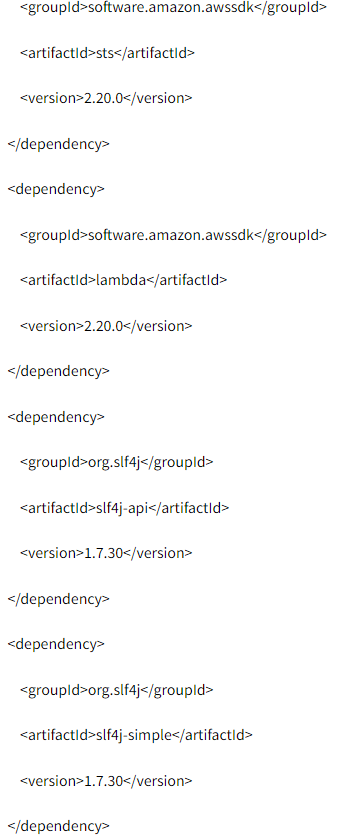
Write the lambda function for calling get caller identity
Now you can write the lambda function for the purpose of calling the get caller identity by using the boto 3 and then log the identity details. Here is the example given below:-
Package com.example;
Import software.amazon.awssdk.auth.credentials.ProfileCredentialsProvider;
Import software.amazon.awssdk.services.sts.StsClient;
Import software.amazon.awssdk.services.sts.model.GetCallerIdentityRequest;
Import software.amazon.awssdk.services.sts.model.GetCallerIdentityResponse;
Import org.slf4j.Logger;Import org.slf4j.LoggerFactory;
Public class LambdaHandler {
    Private static final Logger logger = LoggerFactory.getLogger(LambdaHandler.class);
    Public static void main(String[] args) {
        lambdaHandler();
    }
    Public static void lambdaHandler() {
        // Create an STS client
        StsClient stsClient = StsClient.builder()
                .credentialsProvider(ProfileCredentialsProvider.create())
                .build();
        Try {
            // Create a GetCallerIdentity request
            GetCallerIdentityRequest getCallerIdentityRequest = GetCallerIdentityRequest.builder().build();
            // Call GetCallerIdentity
            GetCallerIdentityResponse response = stsClient.getCallerIdentity(getCallerIdentityRequest);
            // Extract relevant information
            String userId = response.userId();
            String account = response.account();
            String arn = response.arn();
            // Log the caller identity information
            Logger.info(“UserId: {}, Account: {}, Arn: {}”, userId, account, arn);
        } catch (Exception e) {
            Logger.error(“Error calling GetCallerIdentity”, e);
        } finally {
            // Close the STS client
            stsClient.close();
        }
    }
}
Handling the response
The response object from “getcalleridentity” contains the user id, account and arn. These fields can be used for the purpose of logging and troubleshooting.
Package com.example;
Import com.amazonaws.services.lambda.runtime.Context;
Import com.amazonaws.services.lambda.runtime.RequestHandler;
Import com.amazonaws.services.lambda.runtime.events.SQSEvent;
Import software.amazon.awssdk.auth.credentials.DefaultCredentialsProvider;
Import software.amazon.awssdk.services.sts.StsClient;
Import software.amazon.awssdk.services.sts.model.GetCallerIdentityRequest;
Import software.amazon.awssdk.services.sts.model.GetCallerIdentityResponse;
Import software.amazon.awssdk.services.sts.model.StsException;
Import org.slf4j.Logger;
Import org.slf4j.LoggerFactory;
Public class LambdaHandler implements RequestHandler {
    Private static final Logger logger = LoggerFactory.getLogger(LambdaHandler.class);
    @Override
    Public String handleRequest(SQSEvent event, Context context) {
        // Initialize the STS client
        StsClient stsClient = StsClient.builder()
                .credentialsProvider(DefaultCredentialsProvider.create())
                .build();
        Try {
            // Create a GetCallerIdentity request
            GetCallerIdentityRequest getCallerIdentityRequest = GetCallerIdentityRequest.builder().build();
            // Call GetCallerIdentity
            GetCallerIdentityResponse response = stsClient.getCallerIdentity(getCallerIdentityRequest);
            // Extract relevant information
            String userId = response.userId();
            String account = response.account();
            String arn = response.arn();
            // Log the caller identity information
            Logger.info(“UserId: {}, Account: {}, Arn: {}”, userId, account, arn);
            // Return the response details as a string
            Return String.format(“Caller Identity – UserId: %s, Account: %s, Arn: %s”, userId, account, arn);
        } catch (StsException e) {
            Logger.error(“Error calling GetCallerIdentity”, e);
            Return “Error fetching caller identity: “ + e.getMessage();
        } finally {
            // Close the STS client
            stsClient.close();
        }
    }
}